 NICEIC Registered
NICEIC registered electricians · Hammersmith & all of London
PAT testing
Portable appliance testing (PAT) checks the electrical equipment that plugs in, from kettles and fridges to computers, extension leads and power tools. We inspect and test each item, label it with the result and give you a register of everything we tested. Landlords, offices, shops, HMOs, schools and clubs use it to show their equipment is being kept safe.
What's included
PAT testing: what you get
- A visual inspection of every item, including the plug, fuse rating, cable, cable grip and casing, which is where most faults are found
- Earth continuity and insulation resistance tests with a PAT tester, and a polarity check on extension leads and detachable power cords
- IT equipment tested at a lower voltage or with a leakage test, so computers and printers are not stressed by the test
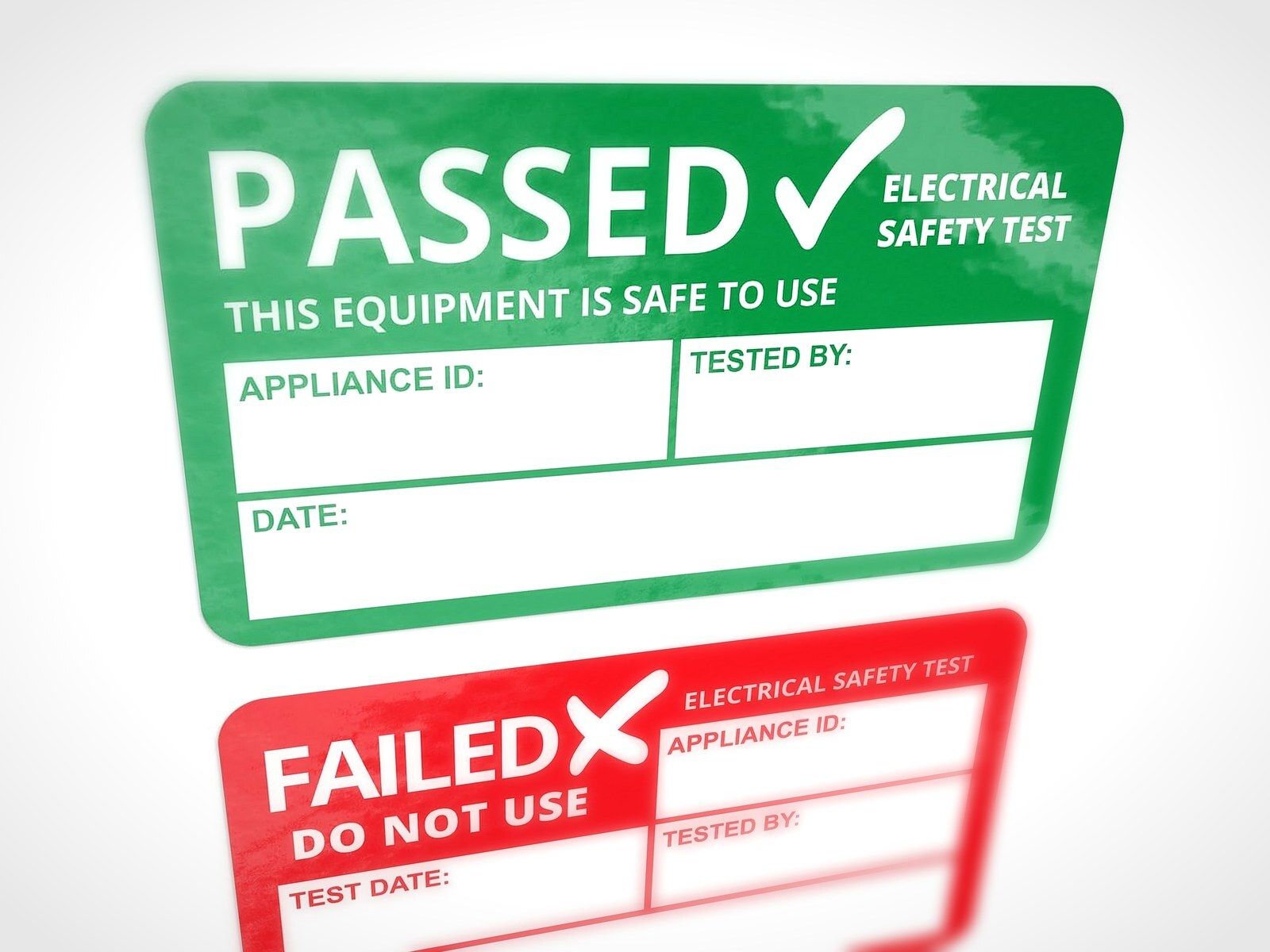
- A pass or fail label on every item, with its ID number, the test date and a suggested date for the next test
- A register of every item tested, with its results and suggested retest date, as a PDF for your records, your landlord or your insurer
- Failed items labelled and taken out of use, with a plain explanation of the fault and what it would take to fix
How it works
PAT testing in three steps
- 1 Tell us what you have A rough count of appliances and where they are is enough for a quote. Offices and shops can book a time that does not interrupt the working day.
- 2 Inspection and testing Each item is switched off and unplugged for a minute or two while we inspect and test it, then labelled. We agree with you when to test computers and anything that cannot be switched off.
- 3 Register and labels You get the register by e-mail as a PDF, with a list of any items that failed and why, and a suggested date for the next test.
What PAT testing covers
Anything with a plug: kettles, microwaves, fridges, toasters, desktop computers, monitors, printers, phone chargers, extension leads and power tools. In an office the long tail of chargers and extension leads is often where the faults are, because they are moved, stood on and run under desks every day.
Most faults are found by looking, not by the tester: a cracked plug, a cable pulled out of its grip, scorch marks, or a 13 A fuse in a lamp that needs 3 A. The tests then confirm what the eye cannot see, such as a broken earth inside a cable or insulation breaking down.
Why use 2K Electrical for PAT testing
We are NICEIC registered electricians, so we look at appliances with the circuit they plug into in mind. If an RCD keeps tripping, a faulty appliance is one of the most common causes, and testing usually shows which one.
We suggest retest dates by risk rather than putting “one year” on everything, keep the register simple enough to hand straight to an insurer or letting agent, and tell you plainly which items failed and why.
Questions
Questions about PAT testing
Is PAT testing a legal requirement?
Not as such. The Electricity at Work Regulations 1989 require employers to keep electrical equipment safe, and the Health and Safety Executive says how you do that, and how often, should depend on the risk. Testing with written records is the usual way to show you have done it, and many insurers, landlords and licensing authorities ask for it.
How often does equipment need testing?
There is no fixed legal interval. The IET Code of Practice for In-service Inspection and Testing of Electrical Equipment suggests intervals by type of equipment and where it is used, from every three months for power tools on a building site to several years for computers in an office. We suggest a retest date for each item based on that guidance, but HSE is clear that the final decision is yours, based on your own risk assessment.
Do landlords need PAT testing?
In England there is no specific legal requirement for PAT in rented homes, but landlords must make sure any appliances they supply are safe, and many HMO licences and letting agents ask for a PAT register. Testing the appliances you provide, and keeping the register, is the simplest way to show that.
What is the difference between Class I and Class II appliances?
Class I appliances, such as kettles, toasters and desktop computers, rely on an earth connection, so we test the earth path as well as the insulation. Class II appliances, marked with a square inside a square, have extra insulation and no earth, so they get the insulation test and a careful visual check.
What happens if something fails?
It gets a fail label and goes on the register with the reason, and it should not be used until it is repaired or replaced. Many failures are simple, such as the wrong fuse, a split cable or a loose cable grip, and we explain what would fix each one.
Is PAT testing the same as an EICR?
No. PAT testing covers the equipment that plugs in. An EICR covers the fixed wiring in the building, from the consumer unit to the sockets and switches. They are separate tests with separate reports.
Related guides
 PAT testing: what the law requires What the law actually says about portable appliance testing, how often equipment needs checking, and what the tests measure.
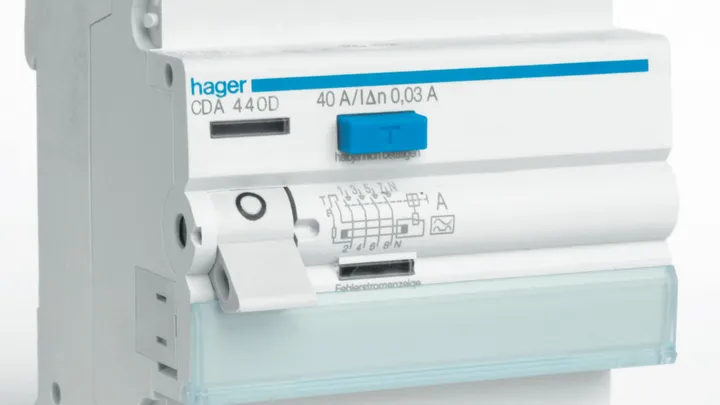 What is an RCD? The life-saving device in your consumer unit, and why older boards often lack one.
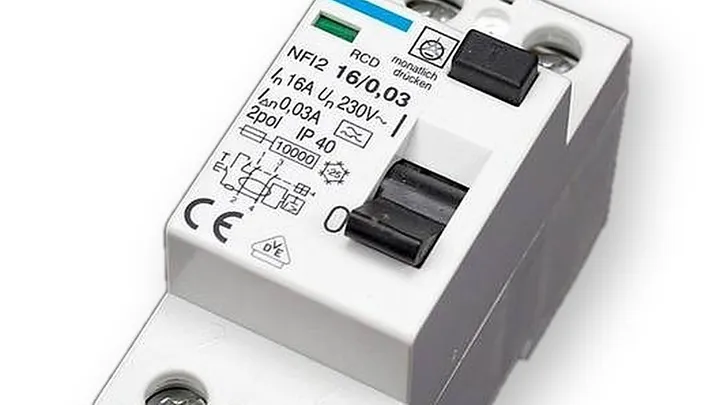 RCD types: AC, A, F and B explained Which RCD types go in UK homes, why Type AC is now restricted, and when you need Type F or Type B.
Need help with PAT testing?
Call for a free quote, or send a message with a few photos and we will get back to you quickly.