NICEIC Registered
Guides
Fire alarms for homes and HMOs
Smoke, heat and CO alarms, what Grade D1 and LD2 mean, and the rules for new homes, rented homes and HMOs in England.
Published · Updated · By 2K Electrical Services
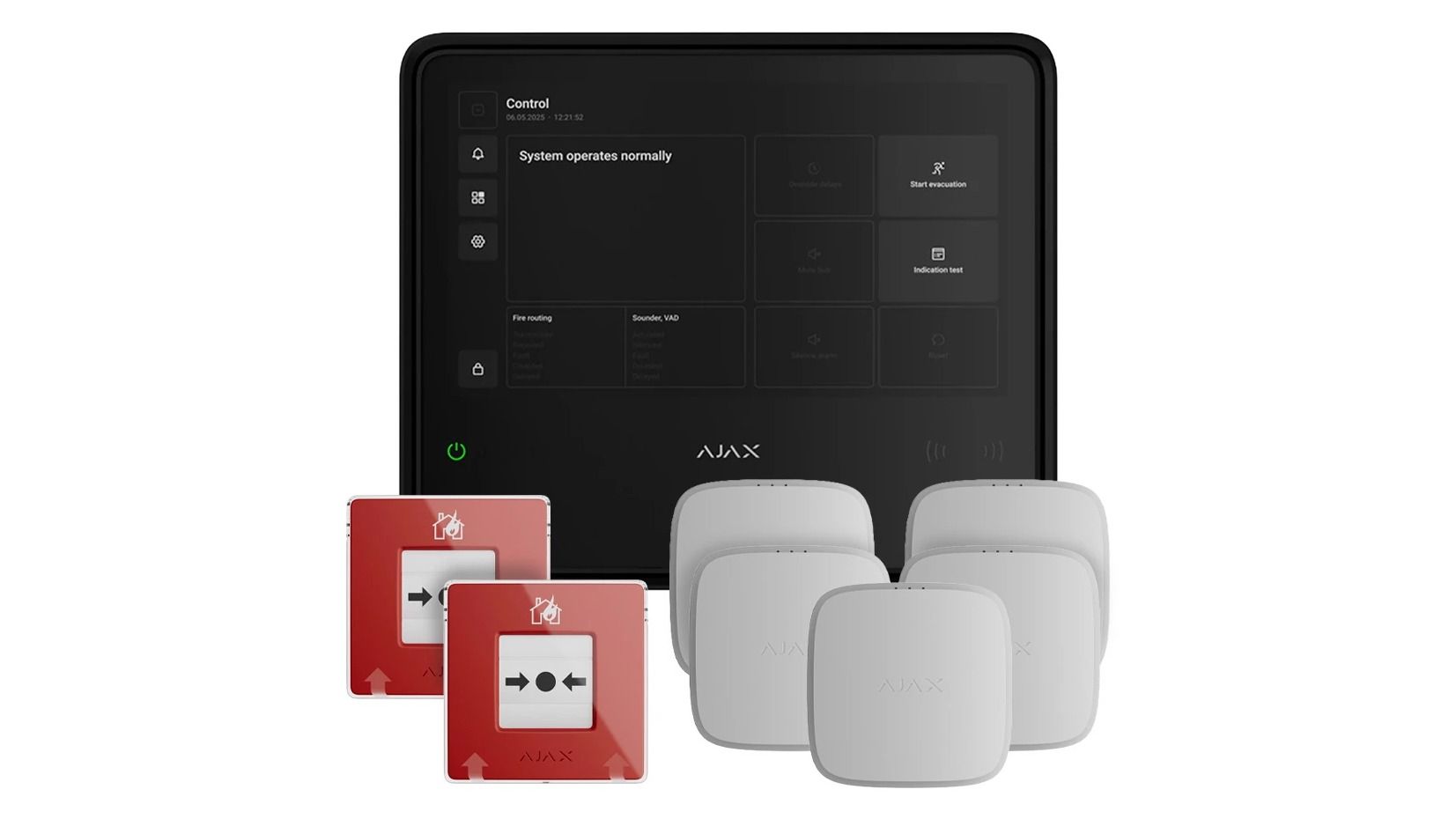
A working, interlinked fire alarm system is one of the cheapest ways to save lives in a home. What you need in England depends on whether the home is newly built, rented or a house in multiple occupation (HMO). Most of the detail comes from BS 5839-6, the code of practice for fire detection and alarm systems in homes, which describes every system by its grade and its category. This guide explains the types of alarm, what the grades and categories mean, and the rules that apply.
Types of alarm
- Optical smoke alarms respond well to slow, smouldering fires and are the usual choice for hallways, landings and living rooms.
- Heat alarms react to a rise in temperature rather than smoke, so cooking does not set them off. They are the right choice for a kitchen, where BS 5839-6 recommends heat detection rather than a smoke alarm.
- Multi-sensor alarms combine optical and heat sensing, responding quickly while giving fewer false alarms.
- Ionisation smoke alarms used to be the cheapest option but are rarely fitted in new systems. They are slower to detect smouldering fires and prone to false alarms from cooking.
- Carbon monoxide (CO) alarms detect the poisonous gas from a faulty boiler, fire or stove. They are not fire alarms, but they are often fitted and interlinked with them.
In a mains-powered system the alarms are interlinked, by cable or by radio, so that when one detects a fire they all sound.
Grades: how the system is powered
Categories: where the alarms go
No category puts alarms in bathrooms, shower rooms or toilets.
New homes and building work
Approved Document B of the Building Regulations asks for at least a Grade D2, Category LD3 system in every new home: mains-powered, interlinked alarms with backup batteries on the escape route of every storey. BS 5839-6 recommends more. For a typical new two- or three-storey owner-occupied house it recommends Grade D2, Category LD2, which adds a heat alarm in the kitchen and a smoke alarm in the main living room. Work that counts as a material alteration, such as a loft conversion, normally means bringing the alarms up to the same standard.
Rented homes
Under the Smoke and Carbon Monoxide Alarm (England) Regulations 2015, as amended in 2022, private and social landlords must:
- fit at least one smoke alarm on each storey that has a room used as living accommodation;
- fit a carbon monoxide alarm in any room used as living accommodation that has a fixed combustion appliance, such as a boiler or a wood burner, but not a gas cooker;
- check the alarms work at the start of each new tenancy, and repair or replace any alarm reported as faulty.
That is the legal minimum. BS 5839-6 recommends a Grade D1, Category LD2 system for rented homes: mains-powered, interlinked alarms with sealed backup batteries, a heat alarm in the kitchen and a smoke alarm in the main living room. Councils can fine a landlord up to £5,000 for failing to comply with a remedial notice.
HMOs
An HMO is a home shared by three or more people from more than one household, sharing a kitchen or bathroom. It needs more than an ordinary rented home, because a fire in one room can trap people in another.
- The local council sets the standard, usually through its HMO licence conditions, following the national LACORS fire safety guide and BS 5839-6.
- For a shared house of one or two storeys, BS 5839-6 recommends Grade D1, Category LD2.
- Bedsit-style and taller HMOs need more. That often means an alarm in every letting room, and in taller buildings a Grade A panel system. Redbridge, for example, requires Grade A, Category LD2 in every HMO of three or more storeys, basements included.
- The manager must keep the system in good working order, and a Grade A system needs regular servicing by a competent person.
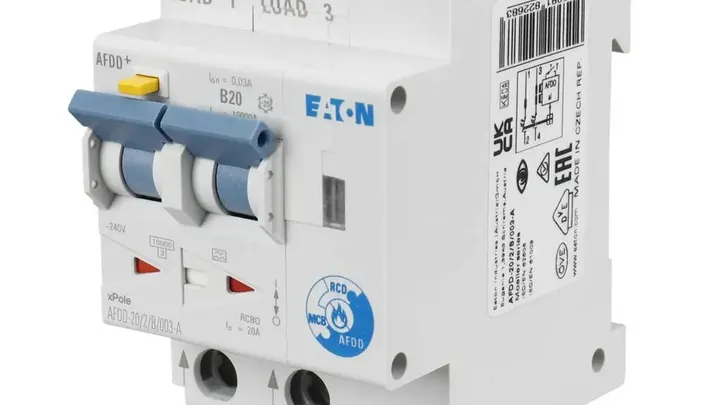
- The wiring has its own rules. BS 7671 requires arc fault detection devices (AFDDs) on the socket circuits of an HMO, and an EICR is needed at least every five years.
Wiring mains alarms
Mains alarms are supplied either from their own circuit at the consumer unit, with nothing else connected to it, or from a separately protected, regularly used lighting circuit, where a dead supply soon gets noticed because the lights go off too. The interlink can be a cable between the alarms or a radio link, which avoids lifting floorboards in an existing home.
Testing and replacement
- Press the test button on each alarm once a month, and check that every interlinked alarm sounds.
- Replace alarms at the end of the life the manufacturer states, typically ten years. Many have the date printed on the side.
- Never paint over or cover an alarm. Dust and paint can stop it detecting smoke.
This guide covers England. Scotland and Wales have their own, stricter rules: every home in Scotland has needed interlinked smoke and heat alarms since February 2022, and rented homes in Wales must have mains-powered, interlinked smoke alarms on every storey.
If your alarms are battery-only, more than ten years old or not interlinked, replacing them with a mains-powered interlinked system is a small job for the protection it gives.