NICEIC Registered
Guides
Surge protection (SPDs) explained
What a surge protection device does, when the Wiring Regulations call for one, and which type your home needs.
Published · Updated · By 2K Electrical Services
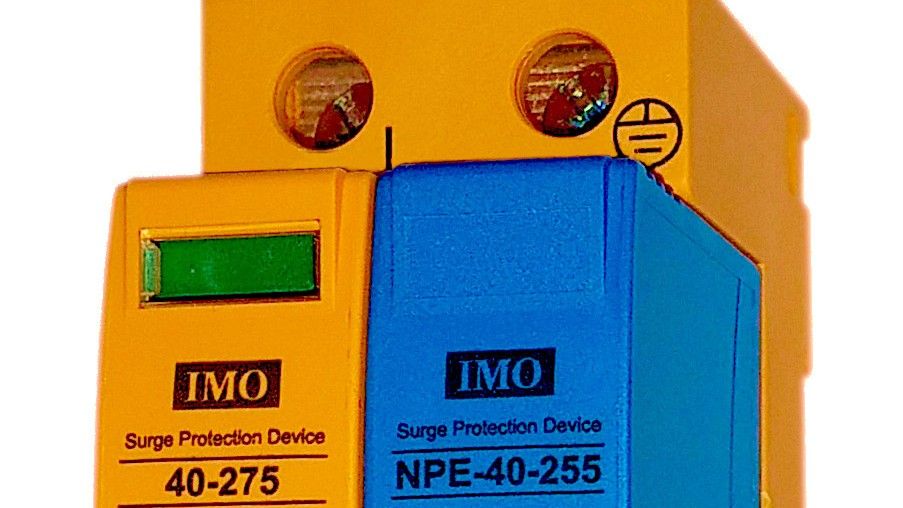
A surge protection device, or SPD, protects your wiring and everything plugged into it from transient overvoltages: voltage spikes that last a few millionths of a second. Many come from switching, either on the network or inside the building when motors and other heavy loads turn on and off. Others come from lightning striking near overhead lines or buried cables. A large spike can destroy electronics in one go, and smaller repeated ones can shorten their life.
How an SPD works
An SPD sits between the live conductors and earth, usually as a module in the consumer unit. In normal use it does nothing. When the voltage suddenly rises far above normal, it starts conducting almost instantly and diverts the surge to earth, limiting the voltage that reaches your circuits to a level the equipment can withstand. Once the spike has passed, it goes back to standby.
Every surge it absorbs wears it a little. Most SPDs have a status window: green means it is working, red means the protection has gone and the module needs replacing. When an SPD reaches the end of its life it normally disconnects itself, so the power stays on and the window is often the only sign.
What the Wiring Regulations require
Under BS 7671:2018+A4:2026, Section 443 decides when protection against transient overvoltages is needed and Section 534 sets out how SPDs are chosen and installed.
- Where a surge could cause serious injury or loss of life, protection is required. In a home, that includes someone relying on life-supporting medical equipment such as home dialysis.
- Where it could cause significant financial or data loss, protection is required too.
- In all other cases, including ordinary homes, protection must still be provided unless the owner of the installation declares that it is not needed, accepting the risk of damage to equipment and any loss that follows. The IET recommends that the owner signs this declaration and that it is kept with the certificate.
In practice, a new consumer unit or a rewire includes an SPD unless you decline it in writing. For a rented property, the owner is the landlord.
Type 1, Type 2 and Type 3
- Type 1 is built to carry part of a direct lightning current. It goes at the origin of the installation where the building has a lightning protection system, or where an overhead supply line needs protecting against direct strikes. It is usually supplied as a combined Type 1+2 unit.
- Type 2 deals with switching surges and the effects of lightning striking nearby. It is the standard device in a consumer unit or distribution board. Most London homes have an underground supply and no lightning conductor, so a Type 2 SPD in the consumer unit is the usual choice.
- Type 3 gives extra protection close to sensitive equipment such as a home server or an alarm panel. It only works as a supplement to a Type 2 further upstream. Surge-protected sockets and extension leads work at this level.
Why it lives in the consumer unit
The cables that connect an SPD add to the voltage that gets through. In a fast surge, every metre of connecting lead can add roughly a thousand volts. Section 534 therefore says the total length of those leads should preferably not exceed 0.5 m and must never exceed 1 m. That is why SPDs are built into the consumer unit or fitted right beside it, and why an older board with no spare space often cannot take one. Replacing the board is usually the neatest way to add one. The SPD also needs its own circuit breaker or fuse, chosen to the manufacturer’s instructions.
When it is especially worth having
An SPD protects the whole installation, and some homes have more to lose than others. It is particularly worthwhile if you have:
- An EV charger, solar panels, a battery or a heat pump. These are expensive and full of electronics.
- A home office. A surge can take out computers, a router and the data on them.
- A smart home, a security system or a large AV setup. All of it depends on circuit boards that are easily damaged.
Is your home missing one?
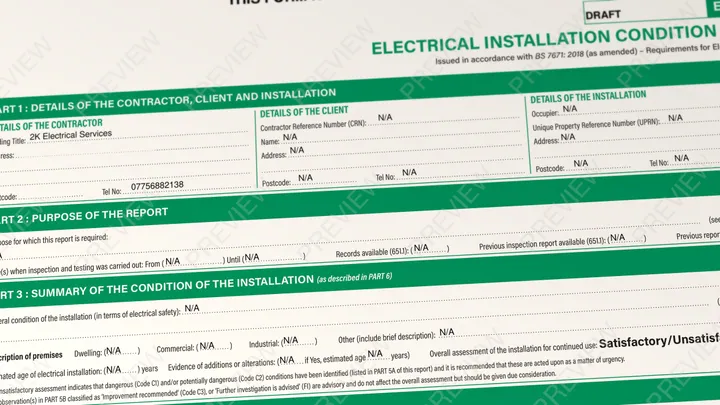
Open the consumer unit cover and look for a module marked SPD or surge protection, usually with a status window. If there is none, your installation is not unsafe just because it predates the current rules. On an EICR, a missing SPD does not on its own make the report unsatisfactory, although the inspector may record it as a C3, improvement recommended. See EICR codes explained for what that means.
What an SPD will not do
- It will not stop a direct lightning strike to the building. That needs a lightning protection system designed to BS EN 62305.
- It is not designed for a long-lasting overvoltage, such as a broken neutral in the supply. An SPD can fail trying to absorb one.
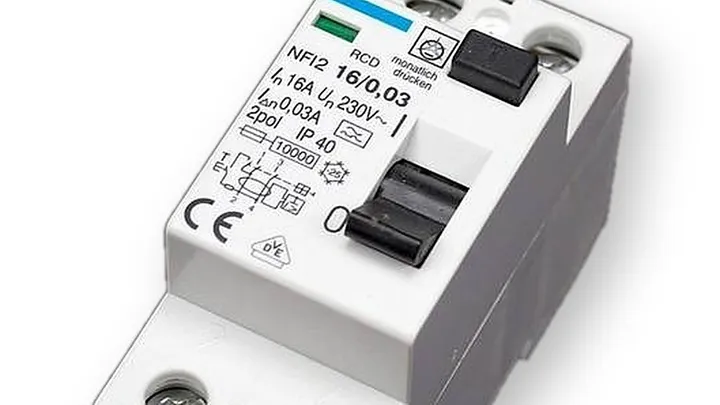
- It does not replace an RCD. An RCD protects people from electric shock; an SPD protects equipment from voltage spikes. See What is an RCD?
- It does not cover phone, broadband or aerial cables. A surge can come in on those too, and they need separate protectors if you want them covered.
If you are planning a consumer unit upgrade, an EV charger or solar panels, ask about surge protection at the same time. It is much simpler to add then than as a separate job later.